

Fun Fact Collection


Vendor: JAM

Vendor: JAM
Vendor: JAM
Pulaski
If you’ve looked outside lately, you know it’s been a rough wildfire season. Smoke has settled over much of our region, homes have been lost, communities have been evacuated, and firefighters are once again facing some incredibly difficult conditions.
That makes this week’s Fun Fact especially timely.
116 years ago, Aug 20th-21st, the Pacific Northwest was facing a fire almost beyond imagination.
The summer of 1910 had been exceptionally hot and dry, and hundreds of fires were already burning throughout the region. Then, on August 20, hurricane-force winds swept through.
Small fires exploded. Others joined together. Flames raced through forests and towns across Idaho, Montana, and Washington in what became known as the Big Burn or Big Blowup of 1910.
More than three million acres burned, much of it in just two days. Towns were destroyed or badly damaged and dozens of people were killed, most of them firefighters.
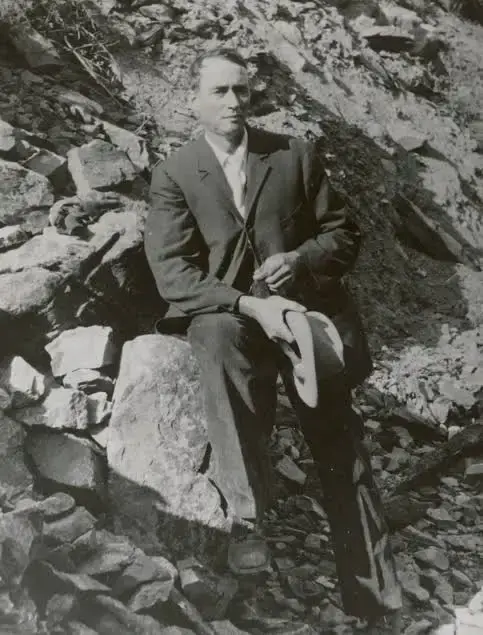
Among the men caught in the inferno was U.S. Forest Service Ranger Ed Pulaski.
Pulaski was leading a firefighting crew near Wallace, Idaho, when the flames overtook them. Knowing they could never outrun the fire, he led his men to an abandoned mine tunnel he remembered from his years working in the area.
Inside, smoke and heat became unbearable. Men panicked and tried to flee, but Pulaski knew stepping outside meant almost certain death. He reportedly drew his revolver and threatened to shoot anyone who tried to leave.
He remained near the entrance, soaking blankets with water and trying to keep the flames and smoke out until he, too, finally collapsed.
When the fire passed, Pulaski awoke badly burned, his lungs damaged and temporarily blinded. Five of the men in the tunnel had died, but the majority of his crew survived.
Pulaski spent months recovering, and his injuries troubled him for the rest of his life. Remarkably, he returned to the Forest Service and continued working until 1929.
In the years following the Big Burn, Pulaski was also credited with developing and refining a simple but extremely useful firefighting tool: an axe on one side and an adze, or digging blade, on the other.
With one tool, a firefighter could chop limbs and wood, grub out roots and brush, and dig through soil to build a firebreak.
More than a century later, wildland firefighters still carry essentially the same tool.
And they still call it by the name of the ranger who helped save his crew from one of the worst wildfires in American history:
The Pulaski.